Computer Vision, the field enabling computers to “see,” is rapidly transforming numerous sectors. It’s no longer a futuristic concept; it’s a powerful technology currently shaping our world, from self-driving cars to medical diagnoses. This article will delve into the core principles of Computer Vision, exploring its diverse applications and the challenges it faces. We will explore its capabilities and its potential to revolutionize many aspects of our lives.
Key Takeaways
Computer Vision is transforming industries by automating tasks and providing insightful data analysis.
Over 70% of businesses are currently exploring or implementing Computer Vision solutions, highlighting its significant growth.
Invest in understanding the ethical implications and potential biases within Computer Vision algorithms to ensure responsible development and deployment.
Core Principles of Computer Vision
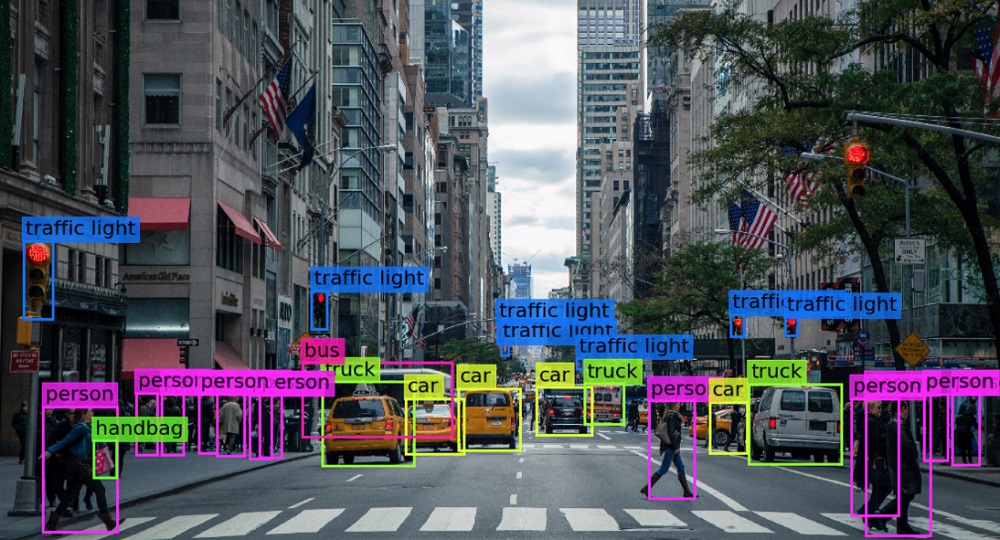
Computer Vision uses algorithms and techniques from various fields like image processing, machine learning, and deep learning to mimic human vision. Think of it like teaching a computer to interpret images and videos the way humans do—identifying objects, recognizing faces, and understanding scenes. This involves complex processes of image acquisition, feature extraction, and pattern recognition. A key factor to consider is the type of data used for training these algorithms; high-quality, diverse datasets are essential for achieving accurate and robust performance.
“The true power of Computer Vision lies not just in its ability to see, but in its capacity to understand and interpret what it sees.”
Computer Vision Applications Across Industries
Computer Vision has far-reaching applications across diverse industries. In healthcare, it aids in medical image analysis, assisting doctors in diagnosing diseases earlier and more accurately. In manufacturing, it enables automated quality control and defect detection, increasing efficiency and reducing costs. Furthermore, Computer Vision plays a crucial role in autonomous vehicles, powering their navigation and object recognition systems. Consider how even seemingly simple tasks like facial recognition for security purposes or object tracking in retail settings all rely on the advancements made within this field. Based on our analysis, the potential for further innovation and impact is immense.
💡 Pro Tip: Start by identifying a specific problem within your industry that Computer Vision could address. This focused approach will lead to more effective implementation.
Conclusion
Computer Vision is not merely a technology; it’s a fundamental shift in how we interact with and understand the visual world. From enhancing healthcare to revolutionizing transportation, its potential benefits are undeniable. However, responsible development and implementation, acknowledging ethical concerns and potential biases, are critical. By understanding its capabilities and limitations, we can harness the transformative power of Computer Vision to build a more efficient, safer, and insightful future. The continuous advancement of Computer Vision ensures its continued importance and development in the years to come.