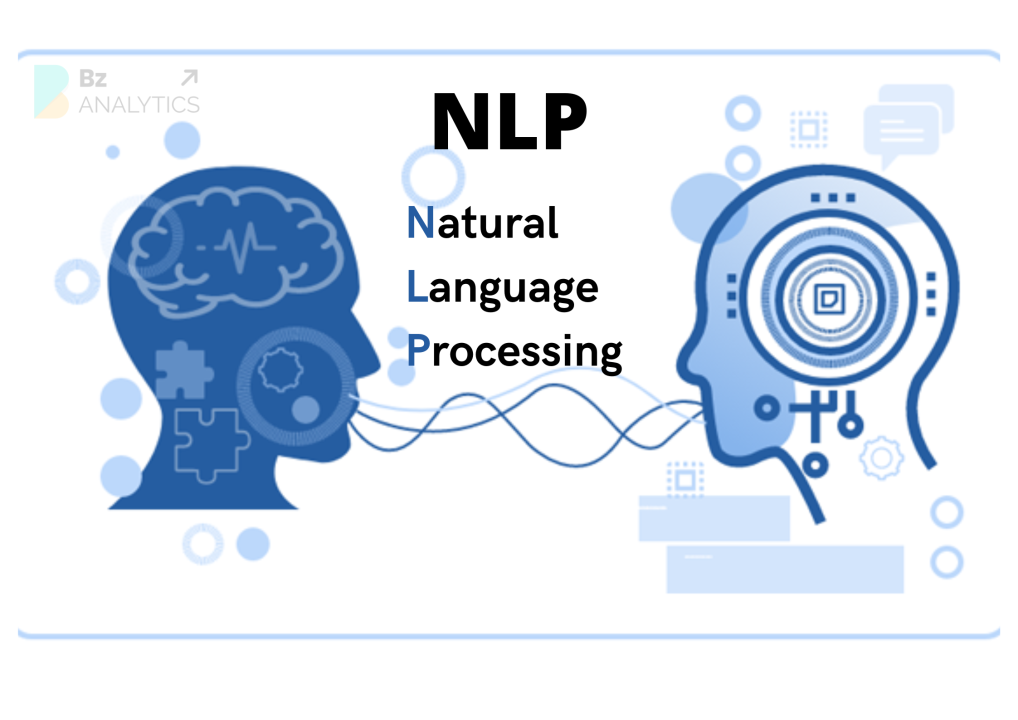
Natural Language Processing (NLP) is rapidly transforming how computers interact with humans. No longer confined to the realm of science fiction, NLP empowers machines to understand, interpret, and generate human language—opening doors to a wide range of applications across various industries. This guide provides a foundational understanding of NLP, its key components, and its remarkable potential. Understanding NLP is no longer a luxury, but a necessity for anyone seeking to navigate the rapidly evolving technological landscape.
Key Takeaways
NLP is revolutionizing how businesses interact with customers, personalize experiences, and automate tasks.
The global NLP market is projected to experience substantial growth in the coming years.
A strong understanding of NLP’s capabilities and limitations is crucial for effective implementation.
Understanding Core Concepts
Natural Language Processing bridges the gap between human communication and computer understanding. It’s like teaching a computer to speak our language, interpreting not just the words themselves, but also the nuances of meaning, context, and intent. This involves tackling complex challenges like ambiguity, slang, and cultural variations. Consider this: the sentence “I saw a bat” can have wildly different meanings depending on the context. NLP aims to resolve these ambiguities.
“The ultimate goal of NLP is not just to process language, but to understand it—to truly grasp the meaning and intent behind human communication.”
Natural Language Processing (NLP) Applications
The applications of Natural Language Processing (NLP) are vast and continually expanding. Imagine a world where chatbots provide seamless customer support, accurately translating languages in real-time, or automatically summarizing lengthy documents. These are just a few examples. To effectively leverage NLP, consider these steps:
Define your objective: What specific problem are you trying to solve with NLP?
Choose the right tools and techniques: Various NLP techniques exist, each suited for different tasks.
Prepare and clean your data: High-quality data is crucial for accurate NLP models.
Evaluate and refine your model: Continuous monitoring and improvement are key.
💡 Pro Tip: Start with a clearly defined, manageable project to gain practical experience and build upon your expertise.
Conclusion
Natural Language Processing (NLP) is not just a technological advancement; it’s a fundamental shift in how we interact with technology. As NLP continues to evolve, its impact on our daily lives will only become more profound. By understanding its core principles and potential applications, businesses and individuals can harness its transformative power to drive innovation and efficiency. The future of communication is deeply intertwined with the continued development and refinement of Natural Language Processing (NLP).