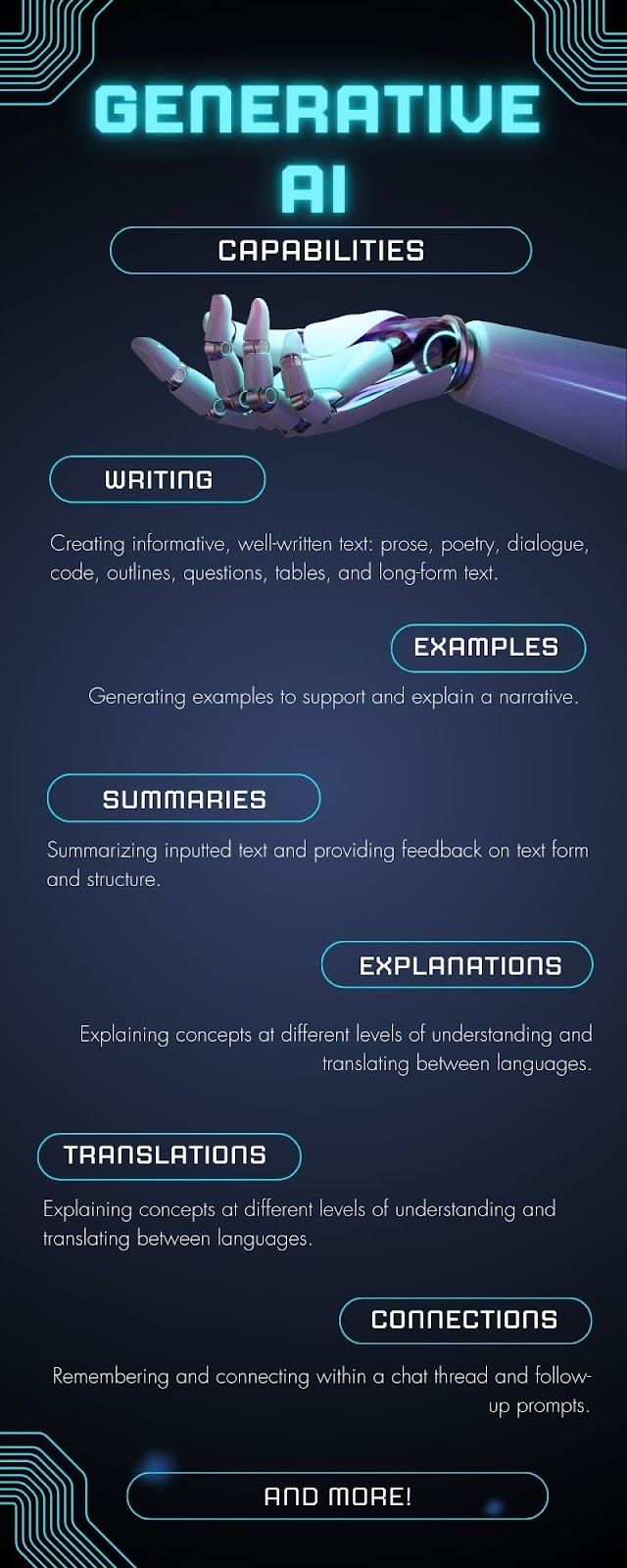
Generative AI, a rapidly evolving field of artificial intelligence, is transforming how we create and interact with digital content. Unlike traditional AI, which primarily focuses on analysis and prediction, Generative AI excels at producing novel outputs, ranging from realistic images and text to complex musical compositions and even functional code. Its impact is already being felt across numerous industries, prompting both excitement and necessary cautionary considerations. This comprehensive guide delves into the core principles and practical applications of Generative AI.
Key Takeaways
Generative AI models are rapidly improving in terms of output quality and efficiency.
Successful implementation requires careful consideration of ethical implications and potential biases.
Businesses can leverage Generative AI to streamline workflows and create innovative products.
Generative AI: Core Principles
At its heart, Generative AI utilizes sophisticated algorithms, often based on deep learning techniques like Generative Adversarial Networks (GANs) and transformers, to learn patterns from existing data. These algorithms then use this learned knowledge to generate new, similar data. Think of it as a highly advanced form of pattern recognition and extrapolation. It’s like teaching a computer to paint by showing it thousands of paintings – eventually, it can create its own unique artwork based on the styles and techniques it has absorbed. A key factor to consider is the quality and diversity of the training data; garbage in, garbage out, as the saying goes.
“The potential of Generative AI to transform industries is immense, but responsible development and deployment are crucial to mitigate potential risks.”
Harnessing the Power of Generative AI
The practical applications of Generative AI are vast and continue to expand. Businesses are using Generative AI for tasks such as automating content creation, designing new products, personalizing customer experiences, and accelerating drug discovery. Here are some actionable steps to consider when integrating Generative AI into your workflows:
Identify suitable use cases: Begin by pinpointing specific areas within your business that could benefit from automation or enhanced creativity.
Select the right model: Choose a pre-trained model or build a custom one depending on your specific needs and data.
Prepare your data: Ensure your training data is clean, diverse, and representative of the desired output.
Monitor and refine: Continuously evaluate the model’s performance and make adjustments as needed.
💡 Pro Tip: Start with a small-scale pilot project to assess the feasibility and effectiveness of Generative AI before deploying it across your entire organization.
Conclusion
Generative AI is revolutionizing various sectors, offering unparalleled opportunities for innovation and efficiency. However, responsible development and ethical considerations remain paramount. By carefully understanding the core principles and adopting a strategic approach to implementation, businesses can successfully harness the transformative power of Generative AI and gain a competitive edge in today’s rapidly evolving digital landscape.