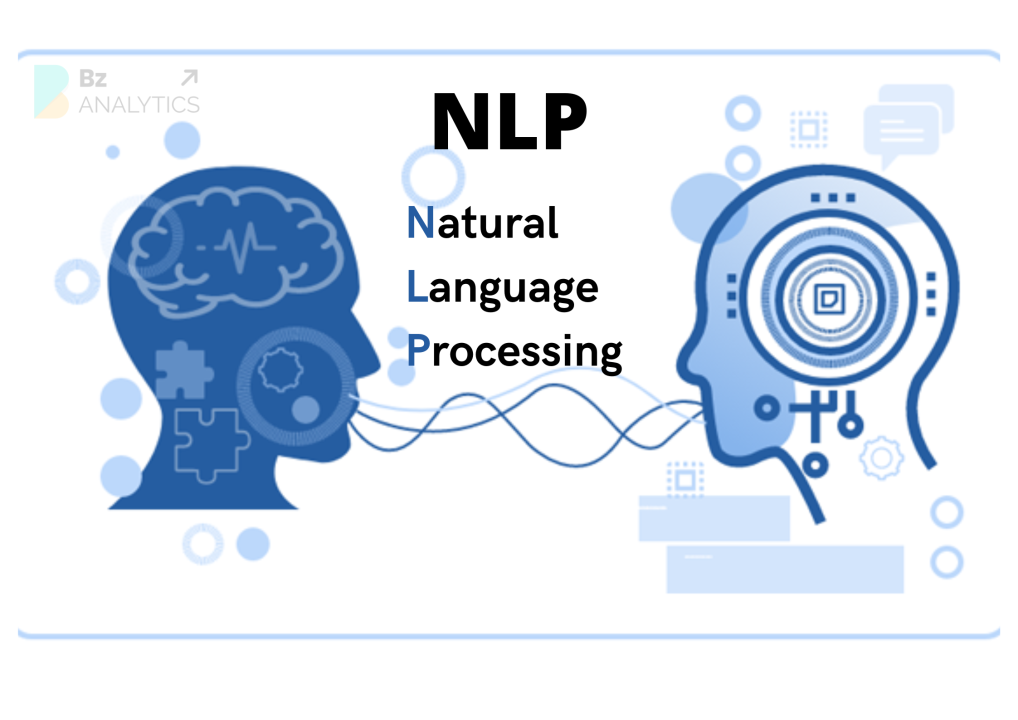
Natural Language Processing (NLP) is rapidly transforming how we interact with technology. No longer confined to science fiction, NLP empowers computers to understand, interpret, and generate human language. This capability opens doors to a myriad of applications, from revolutionizing customer service with chatbots to powering sophisticated medical diagnosis tools. Understanding the intricacies of NLP is crucial for anyone seeking to navigate the evolving technological landscape.
Key Takeaways
Natural Language Processing (NLP) is transforming numerous industries by enabling machines to understand and generate human language.
NLP algorithms are improving at an exponential rate, leading to more accurate and nuanced language processing.
Businesses should invest in understanding and leveraging NLP to gain a competitive advantage.
Understanding NLP Fundamentals
Natural Language Processing bridges the gap between human communication and computer understanding. It involves a complex interplay of algorithms and techniques designed to extract meaning from unstructured text and speech data. Think of it as teaching a computer to “speak” and “listen” like a human. This isn’t simply about recognizing words; it’s about grasping the context, intent, and subtleties inherent in human language – a task far more challenging than it initially appears. A key factor to consider is the ever-increasing volume of unstructured data available; NLP provides a crucial pathway for unlocking its value.
“The true power of NLP lies not just in processing language, but in extracting actionable insights and enabling intelligent automation.”
Natural Language Processing (NLP) Applications in Business
The practical applications of Natural Language Processing (NLP) are vast and continue to expand. Businesses leverage NLP in numerous ways: sentiment analysis helps gauge customer opinions from social media posts and reviews; chatbots provide instant customer support; machine translation breaks down language barriers for global commerce; and text summarization streamlines information processing. Implementing these techniques requires careful planning and consideration of the specific business needs and available data.
💡 Pro Tip: Start with a clear definition of your business objectives before implementing any NLP solution. This will ensure that you select the most appropriate techniques and achieve maximum return on investment.
Conclusion
Natural Language Processing (NLP) is no longer a futuristic concept; it’s a powerful technology reshaping our world. From automating customer service to improving healthcare, the applications of NLP are diverse and transformative. Based on our analysis, continued innovation in this field promises even more impactful applications in the years to come. Understanding and leveraging NLP is vital for businesses looking to stay ahead in the increasingly data-driven world.