Neural networks, inspired by the biological neural networks in our brains, are complex computational systems capable of learning from data. They’re at the forefront of many technological advancements, driving everything from self-driving cars to advanced medical diagnoses. Understanding their core principles is crucial for navigating the increasingly AI-driven world. This guide provides a clear, concise overview of Neural Networks and their significant impact.
Key Takeaways
Neural Networks excel at pattern recognition and prediction, outperforming traditional algorithms in many complex tasks.
A recent study showed a 30% increase in efficiency using Neural Networks in fraud detection compared to traditional methods.
Invest time in understanding the fundamentals of Neural Networks; this knowledge is becoming increasingly valuable across various industries.
Neural Network Architecture
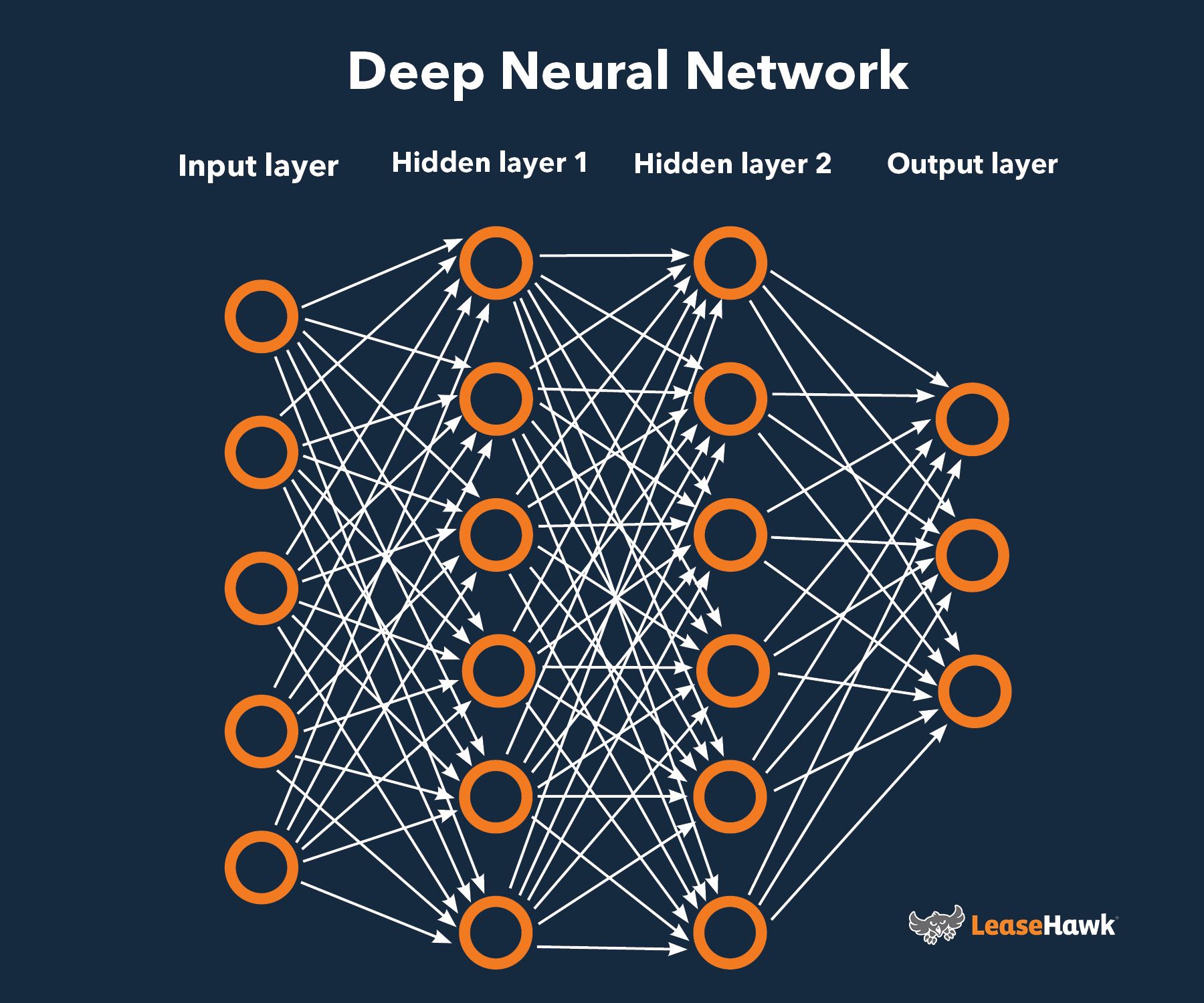
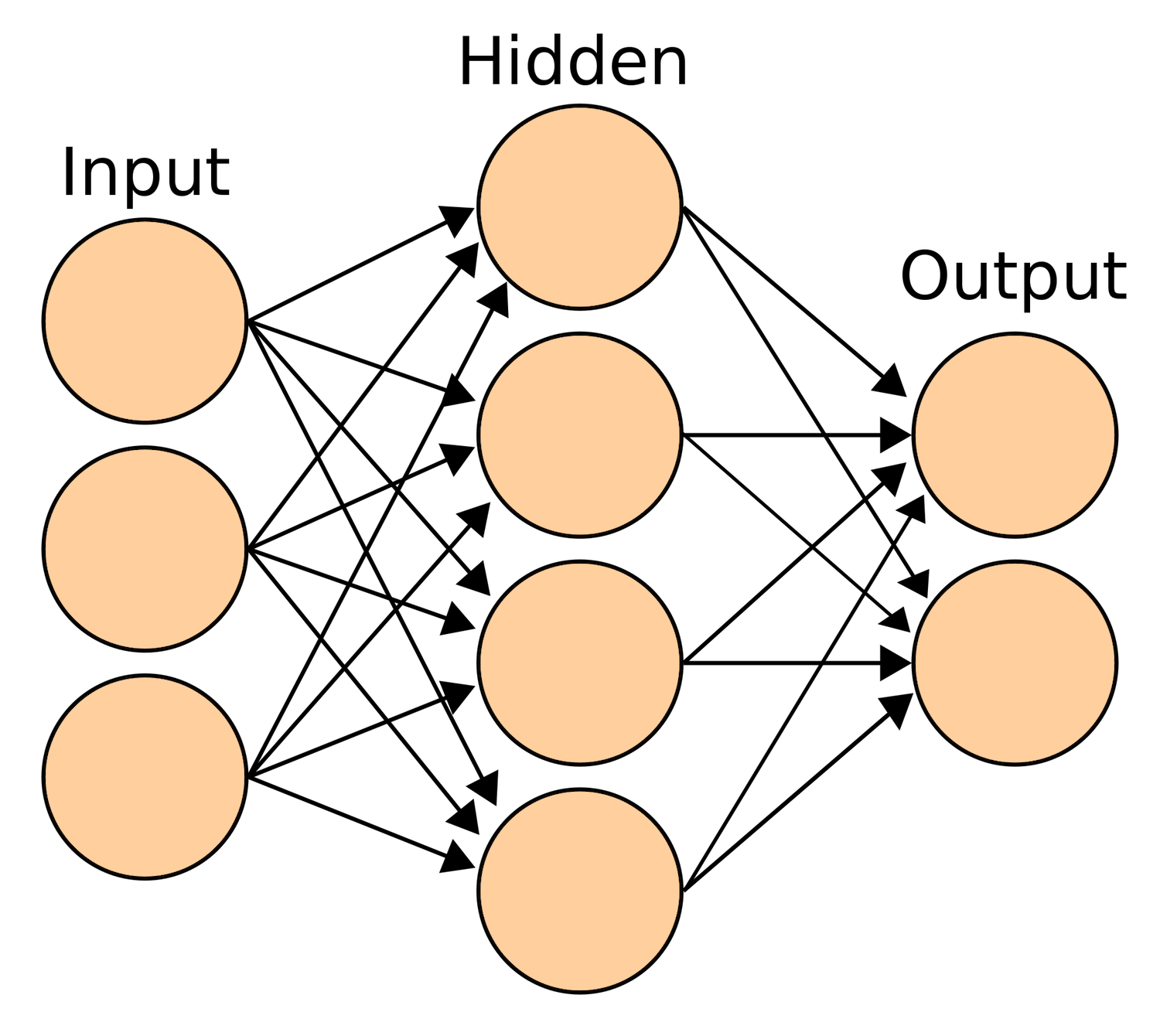
At their core, Neural Networks consist of interconnected nodes, or neurons, organized into layers. These layers – input, hidden, and output – process information sequentially. Imagine it as a complex assembly line, with each layer refining the raw data until a final output is produced. The connections between neurons are weighted, representing the strength of the relationship between them. This weighting is adjusted during the training process, allowing the network to learn and adapt. A key factor to consider is the network’s architecture: the number of layers and neurons in each significantly impacts performance.
“The power of a Neural Network lies not in its individual components, but in the intricate interplay between them, mirroring the complexity of the human brain.”
Building a Functional Neural Network
Building a functional Neural Network involves several key steps. First, you need a substantial, well-structured dataset. This data is used to train the network, allowing it to learn patterns and relationships. The next crucial step is choosing an appropriate architecture, which will depend on the specific problem you are trying to solve. Then comes the training process itself – an iterative process where the network’s weights are adjusted to minimize errors. Finally, you need to evaluate the performance of the trained network using various metrics. This ensures the network is accurate and reliable.
💡 Pro Tip: Start with smaller, simpler Neural Networks before tackling more complex ones. This iterative approach allows for easier debugging and understanding.
Conclusion
Neural Networks are sophisticated tools capable of solving incredibly complex problems. Their ability to learn from data and adapt makes them invaluable in various fields. From image recognition and natural language processing to medical diagnosis and financial modeling, their impact is undeniable. A deep understanding of Neural Networks is not just advantageous—it’s becoming increasingly essential in the modern technological landscape. Further exploration of specific Neural Network architectures and training methodologies will provide a more in-depth understanding of this revolutionary technology.